EN
- INDUSTRIES
- PRODUCTS
- PLATFORMS
- EMS
- Company
- Career
Ravensburger Str. 128–134
88276 Berg/Ravensburg
Germany
P +49 751 89-0
F +49 751 89-1300


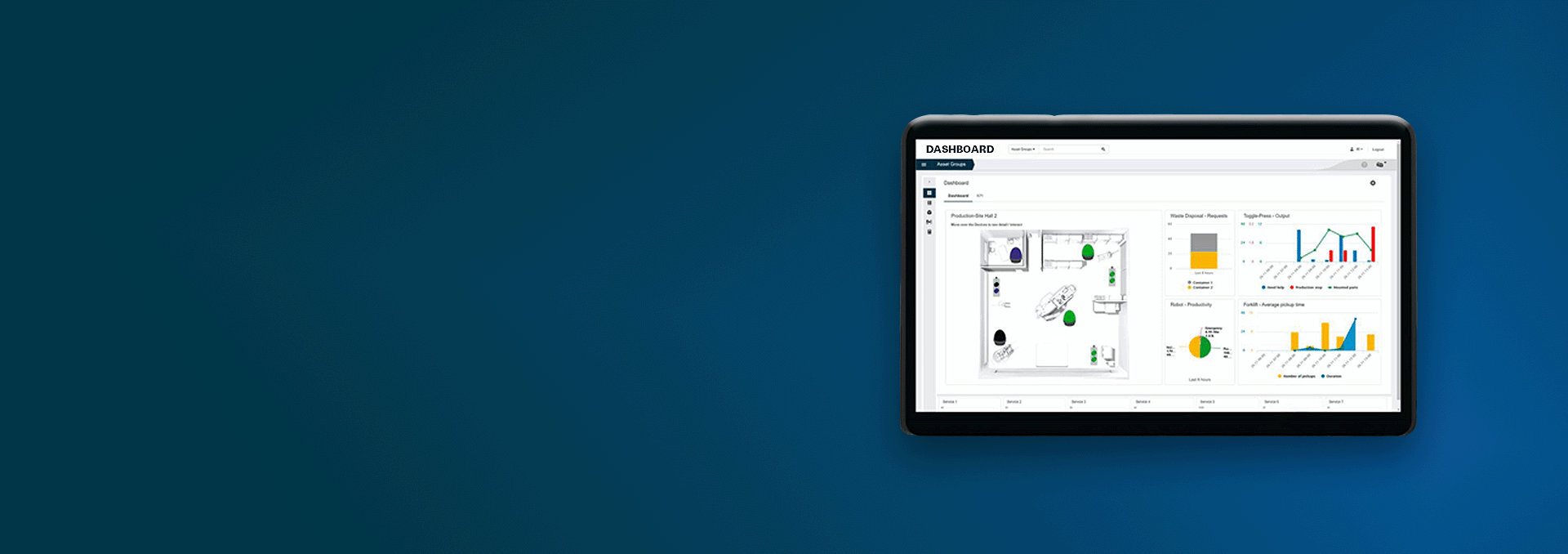
By “software made by RAFI,” we mean a solution that covers all functional layers of modern systems – from real-time processing and protocol management to operating logic. Instead of orchestrating heterogeneous software components from different providers, RAFI offers a coherent, platform-based solution with an end-to-end architecture.
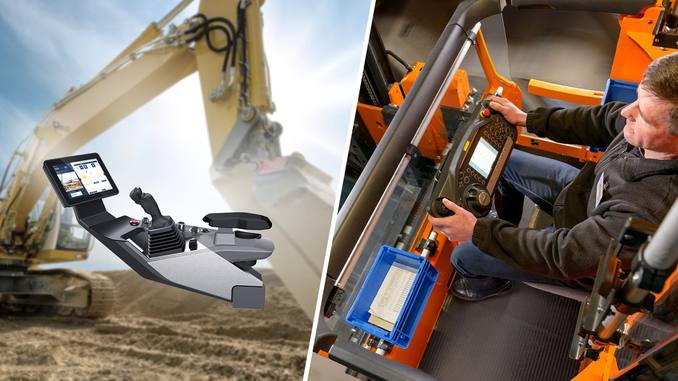
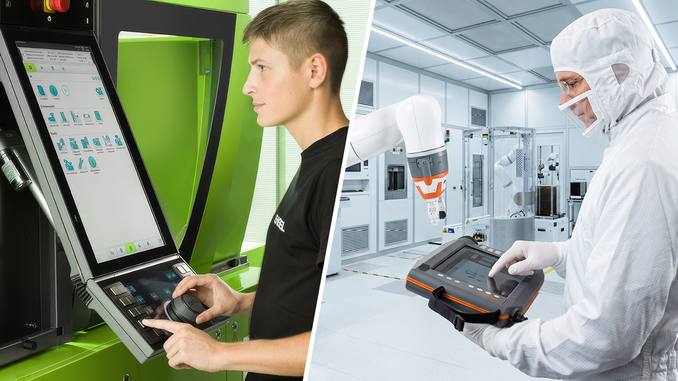
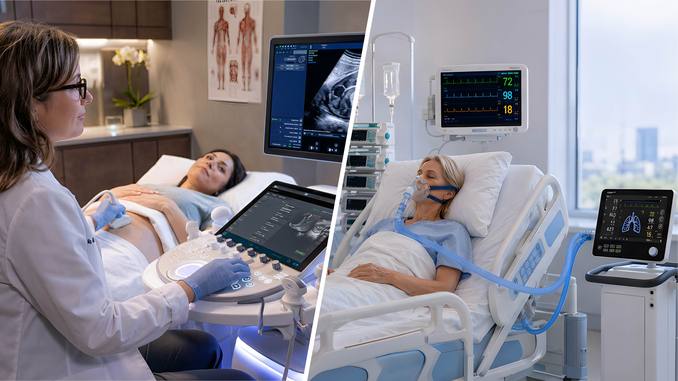
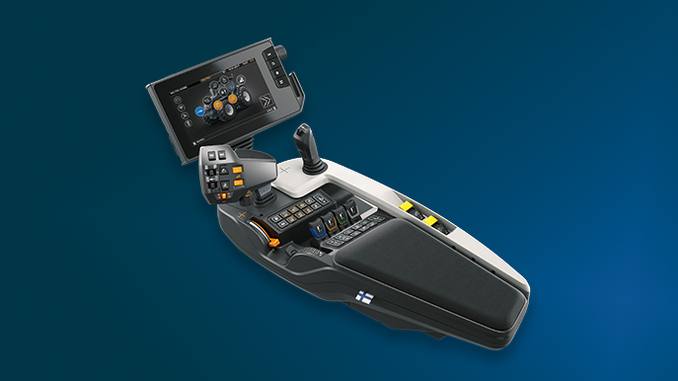
RAFI software products are used wherever the highest demands are placed on real-time processing, fault tolerance, and system availability – such as in the manufacturing industry (CNC systems, robotics, automation) and medical technology, mechanical engineering, telecommunications, commercial vehicles, infrastructure, and energy systems.
RAFI software supports a wide range of industry standards and protocols, maximizing interoperability, reducing complexity, and guaranteeing seamless integration into existing infrastructures. The proven robustness of these solutions ensures stable, fail-safe operation even under the most demanding conditions.
RAFI software enables the rapid development of intelligent solutions. It seamlessly connects sensors, actuators, and components, can be used flexibly on a wide range of hardware platforms, and features high performance with minimal resource consumption.
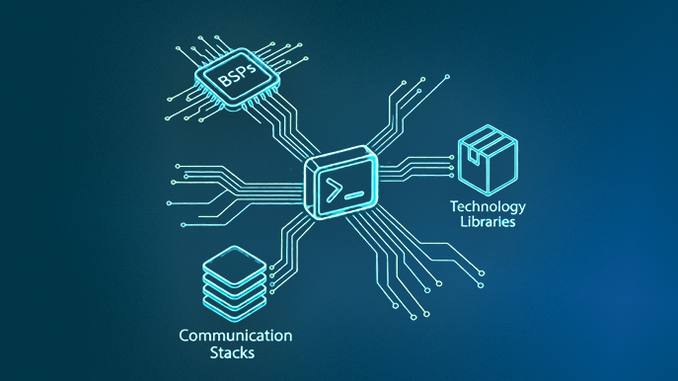
With ready-made function drivers, proven communication stacks, and optimized real-time systems, we significantly shorten development cycles and enable secure, scalable systems with predictable performance. Increasingly, we are also actively integrating AI-based functions into our software products – from predictive maintenance and adaptive control logic to intelligent system optimization.
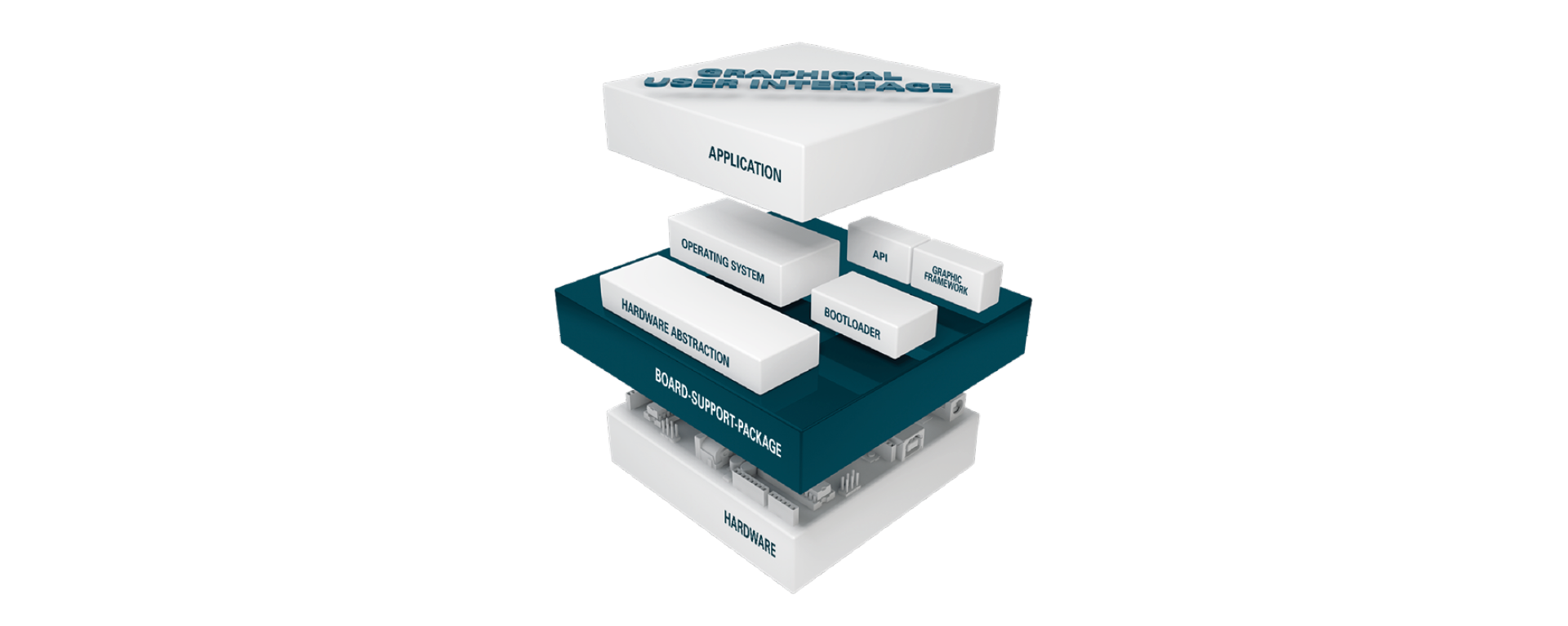
RAFI also leverages its technology platforms in software development. Their use shortens project lead times, reduces development effort (NRE), and enhances quality through proven modules.
RAFI develops software products for the manufacturing industry, medical technology, mechanical engineering, telecommunications, commercial vehicles, and infrastructure and energy systems.
Below are some projects we have successfully completed with our clients.
+ High scalability
The software can be flexibly adapted to a wide range of project sizes and requirements, from simple control units to complex control systems. This enables future-proof investment and facilitates the expansion and adaptation of systems.
+ Robust performance and reliability
Developed for industrial use, the software is distinguished by its stability and reliability. This minimizes downtime and ensures continuous operation, which is essential in critical applications.
+ Efficient integration of standard protocols
Native support for a wide range of industry protocols significantly reduces the complexity of system integration. This speeds up development and implementation and reduces the effort required for compatibility tests.
+ Accelerated time-to-market
Pre-built and proven software modules for basic functions and standard protocols enable faster development and market launch of new products and solutions. Development cycles are shortened and resources are used more efficiently.
+ Cost reduction
Efficient development and integration, combined with robust operation, help reduce costs over the long term. Fewer errors, lower maintenance costs and faster deployment contribute to economic efficiency.
+ Increased compatibility
The broad support for standard protocols ensures that RAFI solutions can easily interact with hardware and software from other manufacturers, which increases flexibility in system design.
+ Focus on core competencies
By using RAFI software, customers can focus on their core application expertise while RAFI handles the complexity of the underlying communication and core system functions.
+ Long-term availability and support
As an experienced partner in the industrial sector, RAFI guarantees long-term availability of the software and offers comprehensive technical support, which provides greater investment security.
These benefits underscore RAFI’s commitment to providing holistic solutions that combine hardware innovation with intelligent software integration to meet the demands of modern industry.